Petra Schmitt · 9 October 2026
Pianist Hand Movements Analyzed Through Bach Keyboard Works in Performance Labs
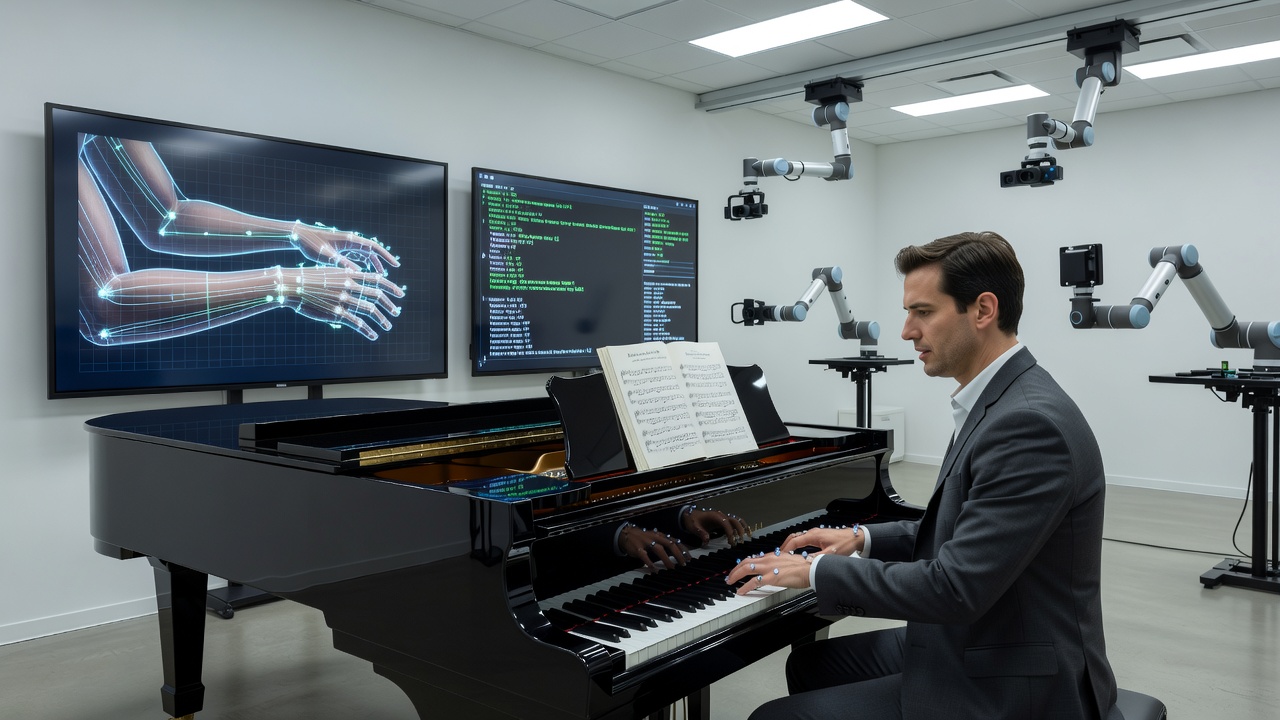
Researchers in performance labs have turned to Johann Sebastian Bach's keyboard compositions as structured material for examining how pianists coordinate finger independence, wrist rotation, and forearm positioning during complex passages, and data from motion capture systems combined with electromyography sensors show distinct patterns that emerge when performers tackle inventions, fugues, and preludes.
Structural Demands of Bach's Keyboard Repertoire
Bach's works require simultaneous execution of multiple independent lines, which forces the hands into configurations that test limits of tendon flexibility and joint angles, while studies at university laboratories document how these demands produce measurable variations in muscle activation timing compared with homophonic textures from later composers. Observers note that the counterpoint in pieces such as the Well-Tempered Clavier creates repeated opportunities to measure lateral finger spread and thumb opposition under controlled tempo conditions.
Measurement Technologies in Current Labs
Performance labs equip pianos with infrared cameras that track reflective markers placed on each knuckle and fingertip, and force-sensitive resistors embedded in key beds record exact timing of depression and release; researchers then align these streams with audio recordings to correlate specific intervals in Bach scores with peak pressure values and acceleration profiles. Turns out that fugal entries often coincide with synchronized bursts of activity in the interossei muscles, a finding replicated across multiple participant cohorts at facilities in North America and Europe.
Additional setups incorporate ultrasound imaging of the carpal tunnel during sustained trills and arpeggios, which reveals transient changes in median nerve compression that researchers correlate with particular voice-leading choices in Bach's inventions. Data collected at these sites indicate that players who maintain flatter finger positions during rapid passages exhibit lower peak tendon forces than those who adopt more curved postures.
Key Findings from Biomechanical Analyses
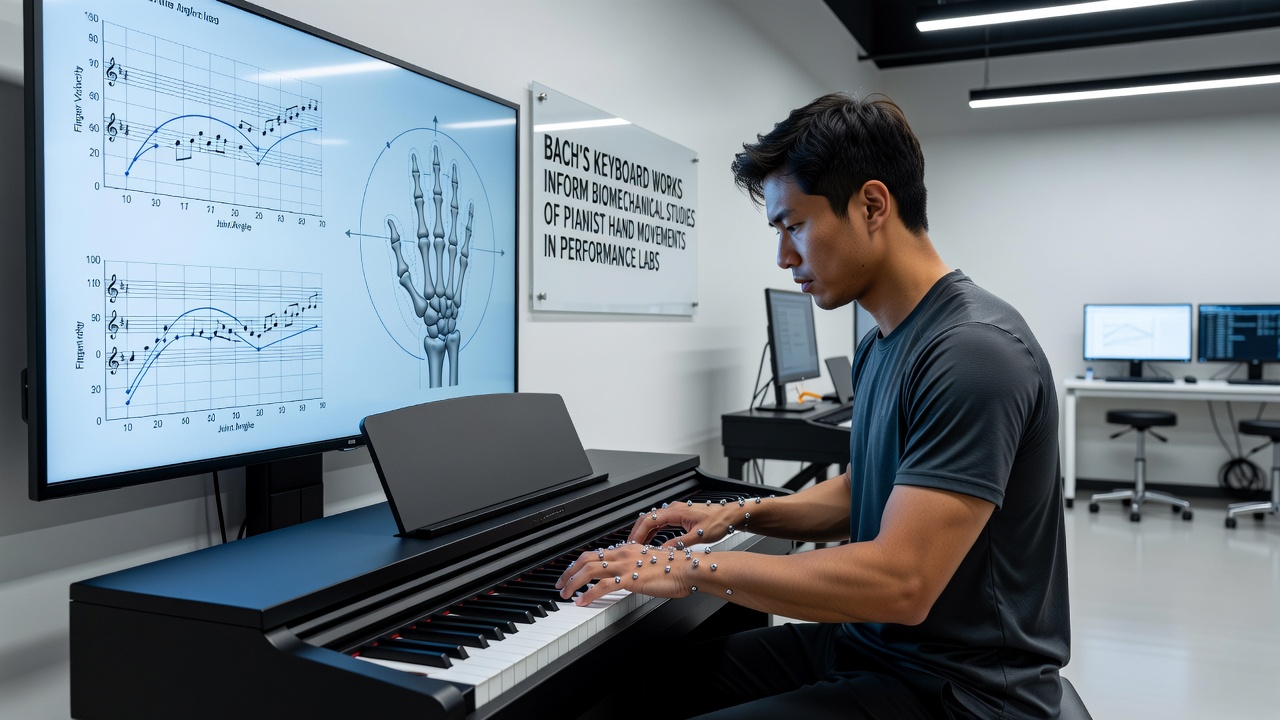
Analyses published by teams at Canadian research centers show that Bach's three-voice inventions produce higher variability in metacarpophalangeal joint angles than two-voice pieces, and the same datasets reveal that expert performers reduce co-contraction of antagonist forearm muscles by approximately 15 percent after repeated practice sessions focused on one prelude. Australian biomechanists working with similar protocols report that left-hand bass lines in Bach chorale preludes demand greater wrist extension angles when the right hand executes ornamental figures, a pattern that appears consistently across right-handed participants.
These observations feed directly into training protocols that target specific joint ranges, and labs now supply pianists with real-time visual feedback derived from Bach excerpts to encourage more efficient movement sequences. One study tracked a cohort over eight weeks and found measurable decreases in peak muscle activation when participants applied the adjusted postures to other repertoire.
Upcoming Events and Data Releases
In October 2026, several performance labs plan to release expanded datasets collected during international workshops that pair Bach specialists with motion analysis engineers, and preliminary abstracts indicate new metrics for quantifying finger independence across different keyboard instruments including harpsichord and modern grand piano. European research groups expect to present comparative results that include participants from conservatories in multiple countries, which will allow statistical controls for training background and instrument familiarity.
Applications Beyond Performance Research
Rehabilitation clinics have begun incorporating excerpts from Bach's keyboard works into protocols for musicians recovering from overuse injuries, because the graded difficulty levels permit progressive loading of specific muscle groups without introducing new technical variables. National Institutes of Health summaries of related ergonomic studies note that structured musical tasks can serve as standardized assessment tools when evaluating recovery progress. Similarly, Agency for Healthcare Research and Quality reports highlight how biomechanical data from keyboard performance labs inform workstation design recommendations for office workers who perform repetitive fine-motor tasks.
Conclusion
Continued integration of Bach's keyboard compositions into laboratory protocols supplies researchers with repeatable musical structures that expose fine-grained details of hand kinematics and muscle coordination, and the resulting datasets support both pedagogical refinements and clinical applications across multiple regions. Future releases scheduled for late 2026 will likely extend these findings to additional instrument types and participant demographics, thereby broadening the evidence base for movement optimization in keyboard performance.