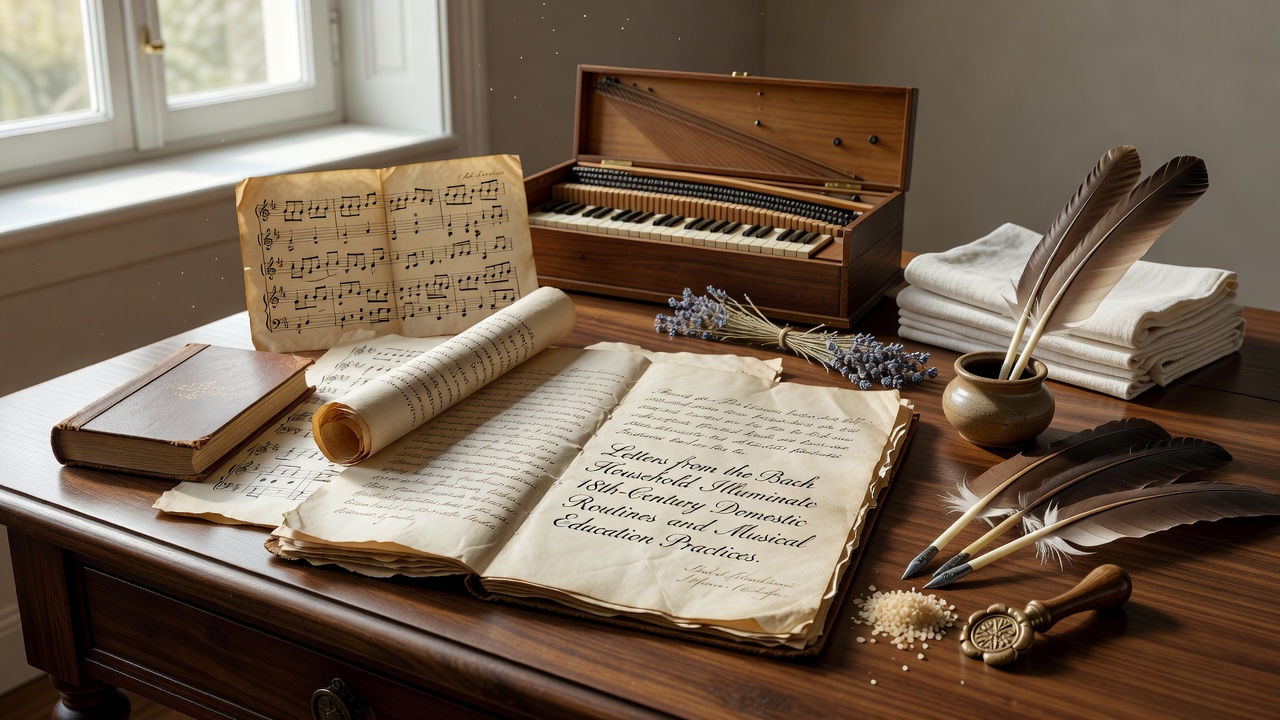
Petra Schmitt · 20 November 2026
Bach Family Correspondence Reveals Insights into 18th-Century Home Life and Music Training
Letters penned by members of Johann Sebastian Bach's household offer detailed accounts of daily routines and structured approaches to musical instruction in 18th-century Germany. These documents span multiple decades and locations including Weimar, Köthen, and Leipzig, where Bach served in various court and church positions. Historians at institutions such as the Library of Congress have cataloged dozens of surviving missives that cover everything from household budgets to lesson schedules for the composer's children.
Domestic life in the Bach home followed patterns common among middle-class families of the era, yet the correspondence adds specific details about meal preparation, servant oversight, and child-rearing responsibilities. Anna Magdalena Bach, the composer's second wife, frequently wrote about coordinating laundry days with music copying sessions, since the household maintained a steady output of manuscript scores for church services and private students. Letters describe how older children assisted with younger siblings' practice while adults handled chores such as baking bread and mending clothing.
Daily Schedules and Household Management
One recurring theme across the letters involves the integration of musical practice into the broader rhythm of the day. Mornings often began with chorale singing before breakfast, while afternoons included individual instrument lessons interspersed with domestic tasks. Bach's sons Wilhelm Friedemann and Carl Philipp Emanuel appear in several exchanges as both students and later as instructors for their younger siblings. These accounts show how musical education aligned with the liturgical calendar, with heightened activity during Advent and Lent when additional performances required extra rehearsal time.
Financial records embedded in the letters illustrate the costs associated with maintaining a musical household. Paper, ink, and instrument repairs represented significant expenses, and correspondence from 1730s Leipzig mentions negotiations with local copyists to manage the workload. Researchers note that these details align with economic data from Saxon tax rolls of the period, providing cross-verification for living costs in a composer's family.
Musical Education Methods Documented
The letters contain explicit references to teaching techniques employed within the home. Bach emphasized thorough bass realization and counterpoint drills, often assigning his children to copy and analyze works by earlier masters such as Palestrina and Frescobaldi. Anna Magdalena's notes describe supervised sessions where students sang one voice part while playing another at the keyboard, a method that reinforced both vocal and instrumental skills simultaneously.
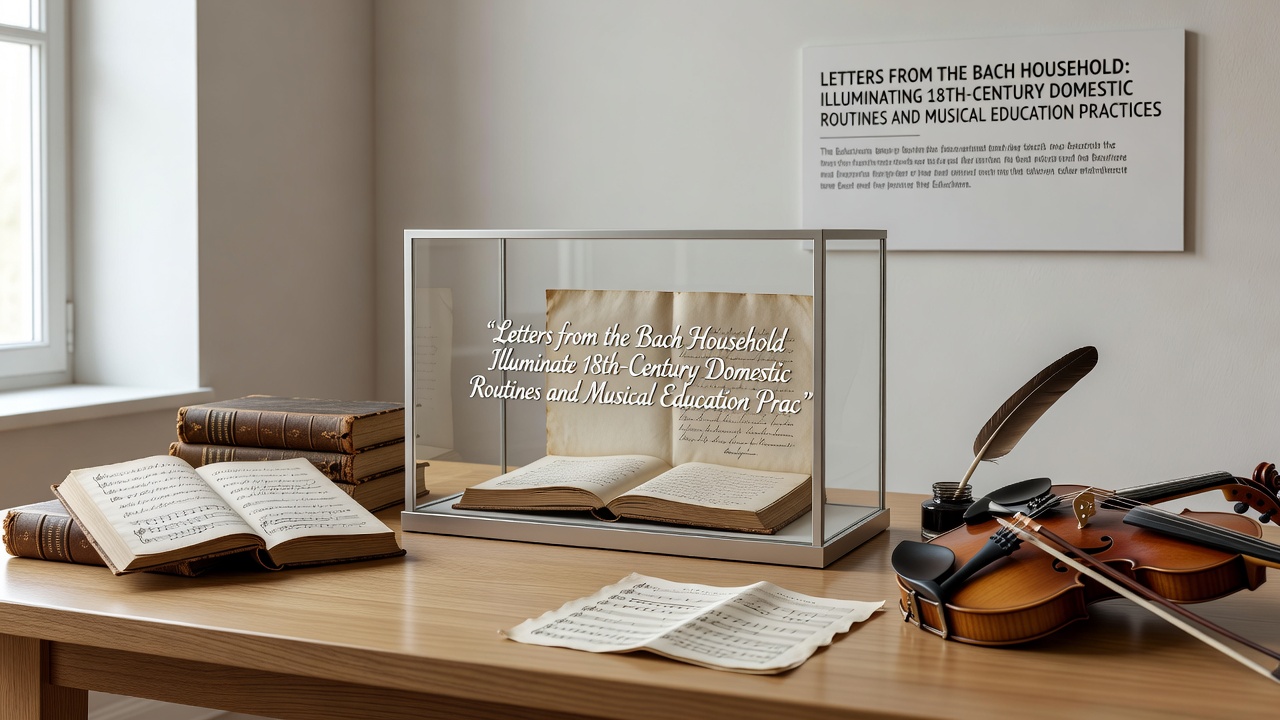
Evidence from the correspondence indicates that girls in the household received musical instruction alongside their brothers, though expectations for public performance differed. Daughters participated in home concerts and church duties, yet letters rarely mention travel for professional engagements outside Leipzig. This pattern matches broader educational practices observed in other German Protestant families of the time, according to comparative studies preserved at the Bach-Archiv in Leipzig.
Connections to Contemporary Cultural Events
Plans for a major exhibition of these letters are scheduled to open in November 2026 at a collaborating institution in Dresden, where visitors will view original manuscripts alongside reconstructed domestic settings. Organizers have confirmed that the display will include interactive elements allowing examination of the handwriting and marginal annotations that reveal lesson corrections and household reminders. Such initiatives build on ongoing digitization projects that make the full corpus available to scholars worldwide.
Cross-referencing the letters with municipal records from Leipzig reveals how Bach's family navigated seasonal illnesses and school schedules while maintaining performance commitments. Mentions of specific ailments and recovery periods provide rare glimpses into health practices before modern medicine, including the use of herbal remedies noted in passing within the correspondence.
Conclusion
Collectively, these documents furnish concrete evidence of how one prominent musical family organized its time, allocated resources, and transmitted technical skills across generations. The letters continue to inform musicological research and social history studies, with new transcriptions and contextual analyses emerging regularly from archives in Europe and North America.